Desert Bloom
Life flourishing in Arizona's harshest landscapes
National Park Service
Sonoran Desert, Arizona
Nature Documentary
Apr 23, 2024
Project Overview
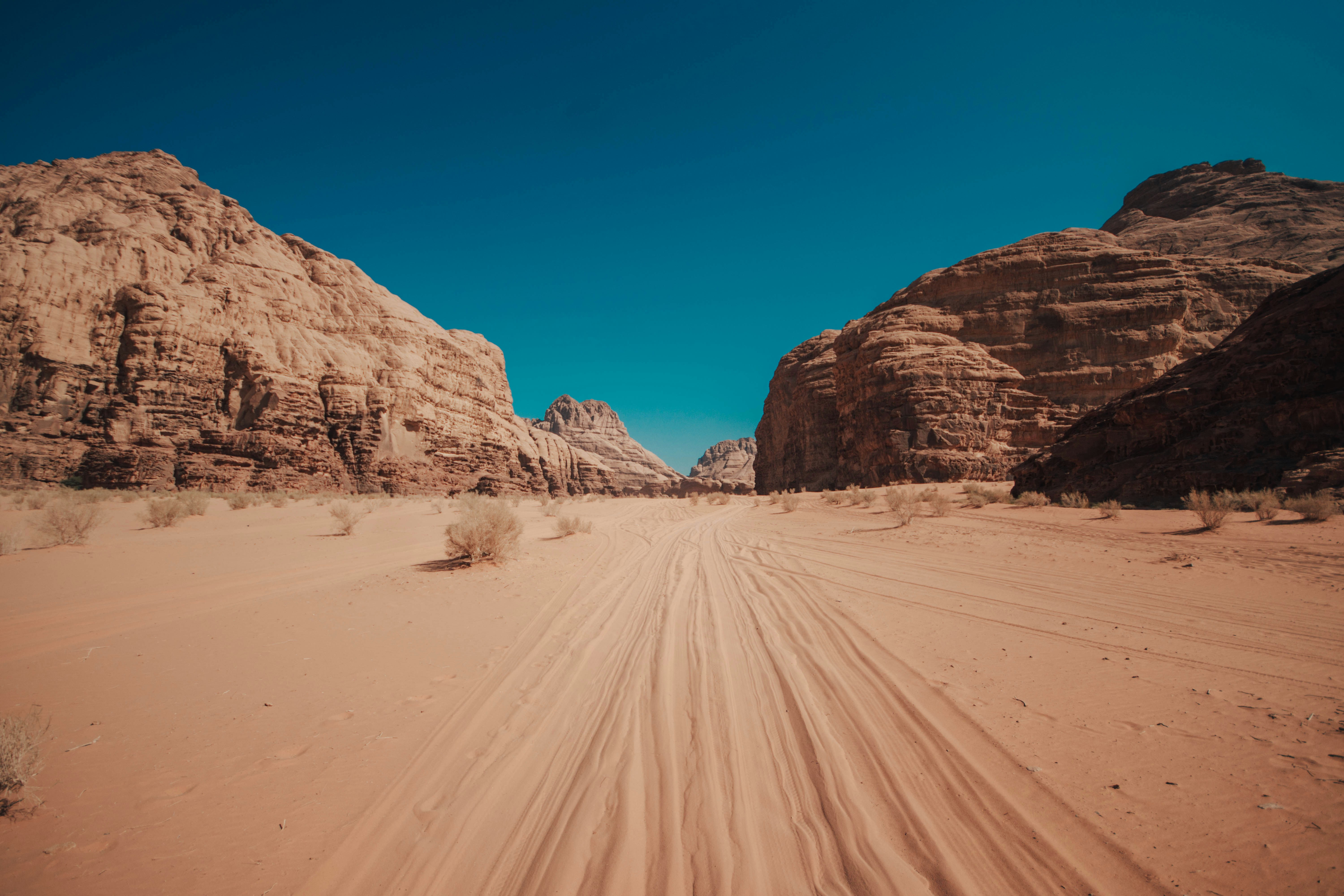
Following an unusually wet winter, the Sonoran Desert experienced a "superbloom", a phenomenon occurring every 5-10 years when dormant seeds germinate simultaneously, carpeting the desert floor with millions of wildflowers. This project documents both the spectacular visual display and the complex ecological relationships that enable life to thrive in extreme conditions.
The Story
The drive into Organ Pipe Cactus National Monument revealed a landscape transformed beyond recognition. Desert valleys typically painted in subtle grays and browns now blazed with orange poppies, purple lupines, and yellow brittlebush. The contrast was so dramatic that GPS systems seemed inadequate, this couldn't be the same place photographed just months earlier during drought conditions.
Working with park botanist Dr. Sarah Chen, I learned that superbloom years represent decades of preparation compressed into weeks of explosive growth. Seeds buried in apparently lifeless soil had waited patiently for the precise combination of rainfall, temperature, and timing that occurs so rarely. When conditions aligned, the desert revealed its hidden potential for abundance.
The photography required understanding desert rhythms completely different from temperate environments. Peak flowering occurred during a narrow window between late morning and early afternoon, when flowers opened fully but before heat forced them to close for protection. Golden hour, typically a photographer's favorite time, was when the desert prepared for night by shuttering its most delicate displays.
Each species had evolved specific strategies for desert survival, creating diverse photographic opportunities. Ghost plants emerged from rocky crevices where their pale green leaves seemed to glow against dark stone. Desert marigolds created vast yellow carpets that attracted clouds of migrating butterflies. Brittlebush flowers provided crucial nectar sources for bees building strength for summer's harsh conditions.
The macro photography revealed intricate adaptations invisible to casual observation. Poppy petals showed delicate structures designed to maximize pollinator attention while minimizing water loss. Cactus flowers displayed complex reproductive strategies that ensured successful pollination during brief optimal periods. Each bloom represented evolutionary solutions to extreme environmental challenges.
Wildlife activity increased dramatically during the superbloom. Desert bighorn sheep descended from mountain refuges to graze on fresh vegetation. Hummingbirds arrived in greater numbers, following nectar corridors across vast distances. Ground squirrels emerged from burrows to feed on seeds that would sustain them through the coming dry months.
The most profound realization was temporal, this abundance would last only weeks before heat and drought returned the landscape to its typical austerity. The flowers existed in a state of beautiful urgency, reproducing quickly before conditions became inhospitable. This awareness infused each photograph with poignancy; I was documenting not just beauty, but beauty that would soon vanish.
Dr. Chen explained that climate change was making superblooms less predictable. Traditional rainfall patterns were shifting, potentially disrupting the delicate timing required for mass germination. This superbloom might be among the last to occur with such intensity, making documentation even more crucial for scientific understanding and public awareness.
Key Images
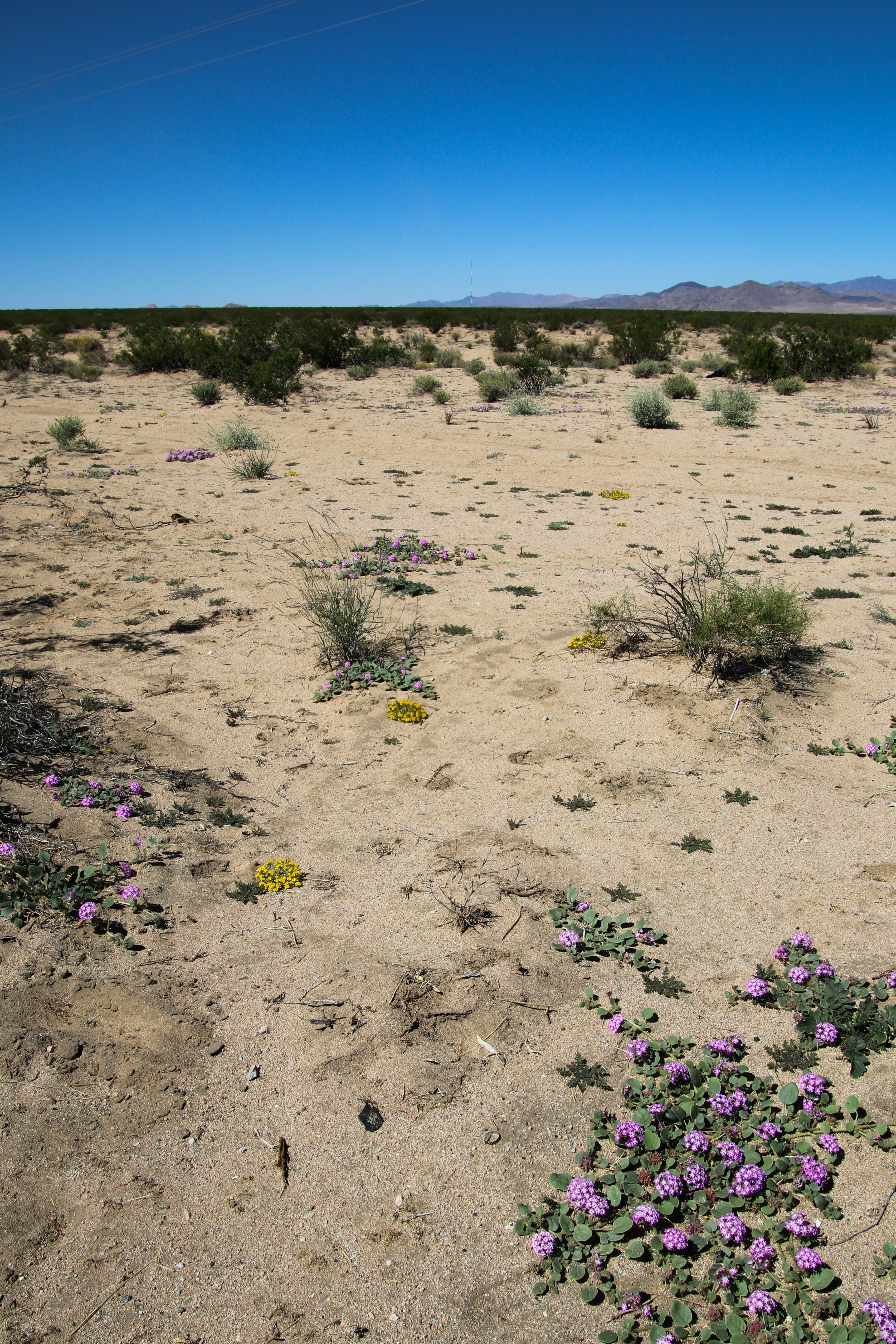
Panoramic view of bloom-covered desert floor
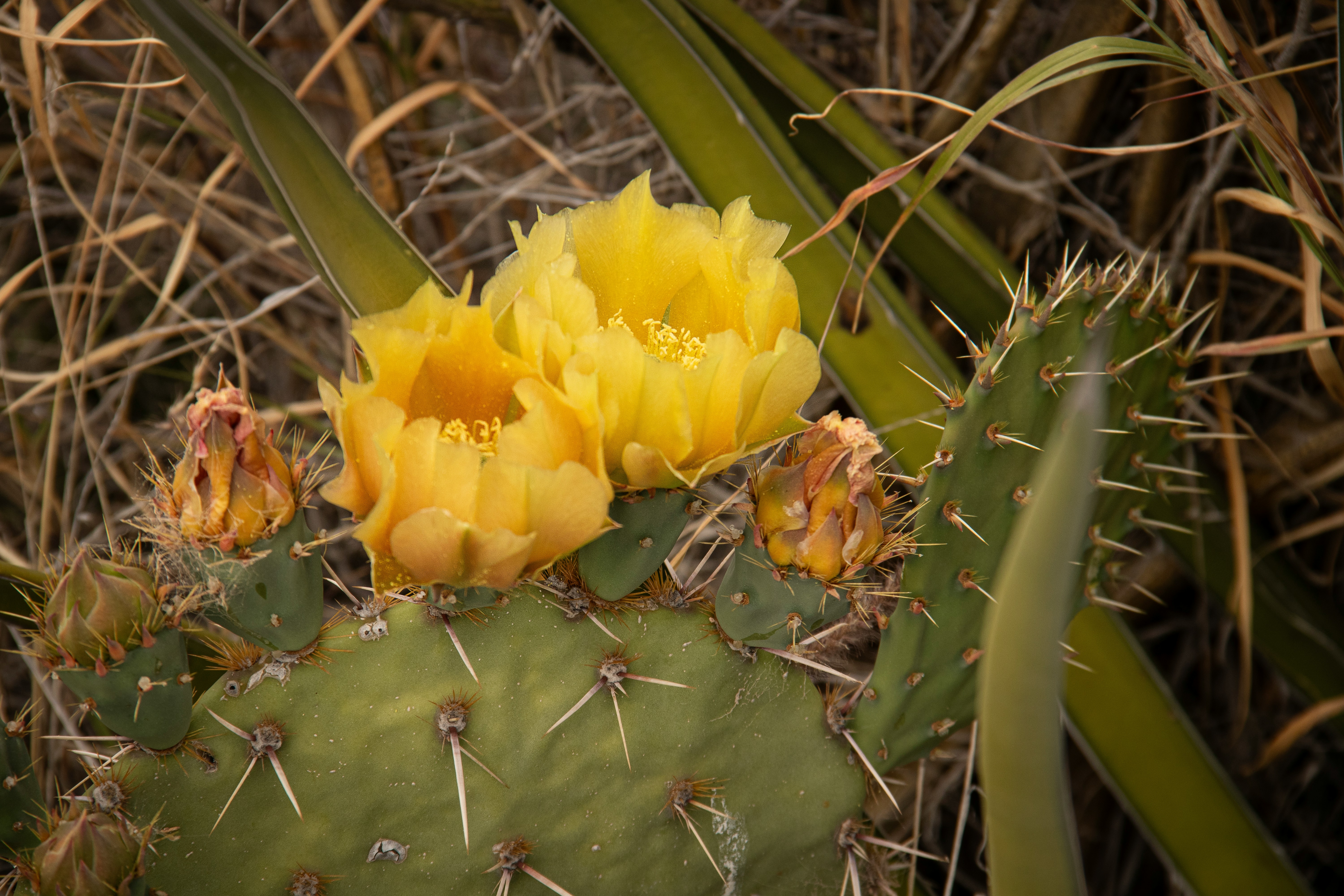
Prickly pear cactus with bright yellow flowers
Desert marigolds attracting migrating monarchs
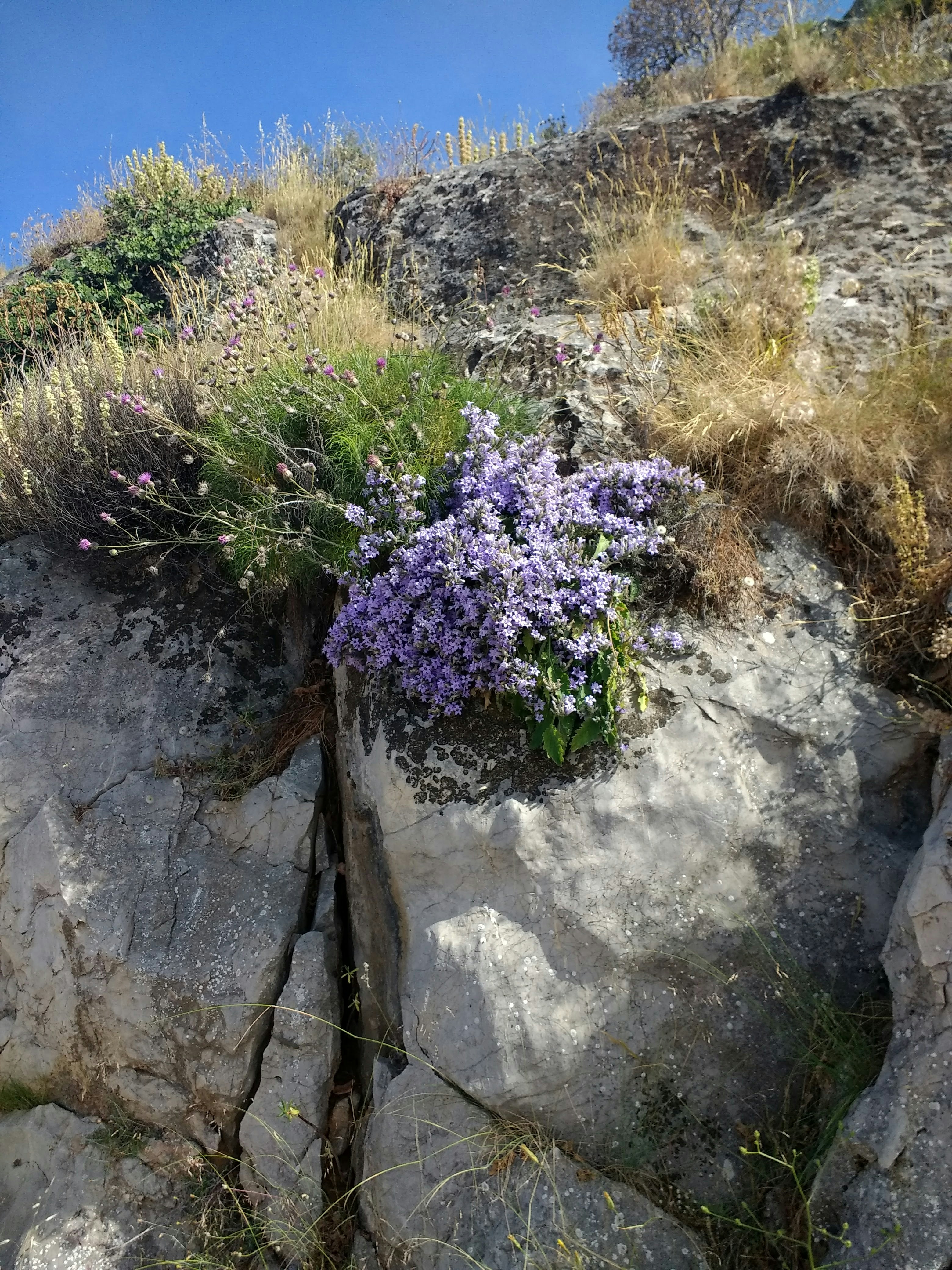
Ghost plants flowering in rocky crevice
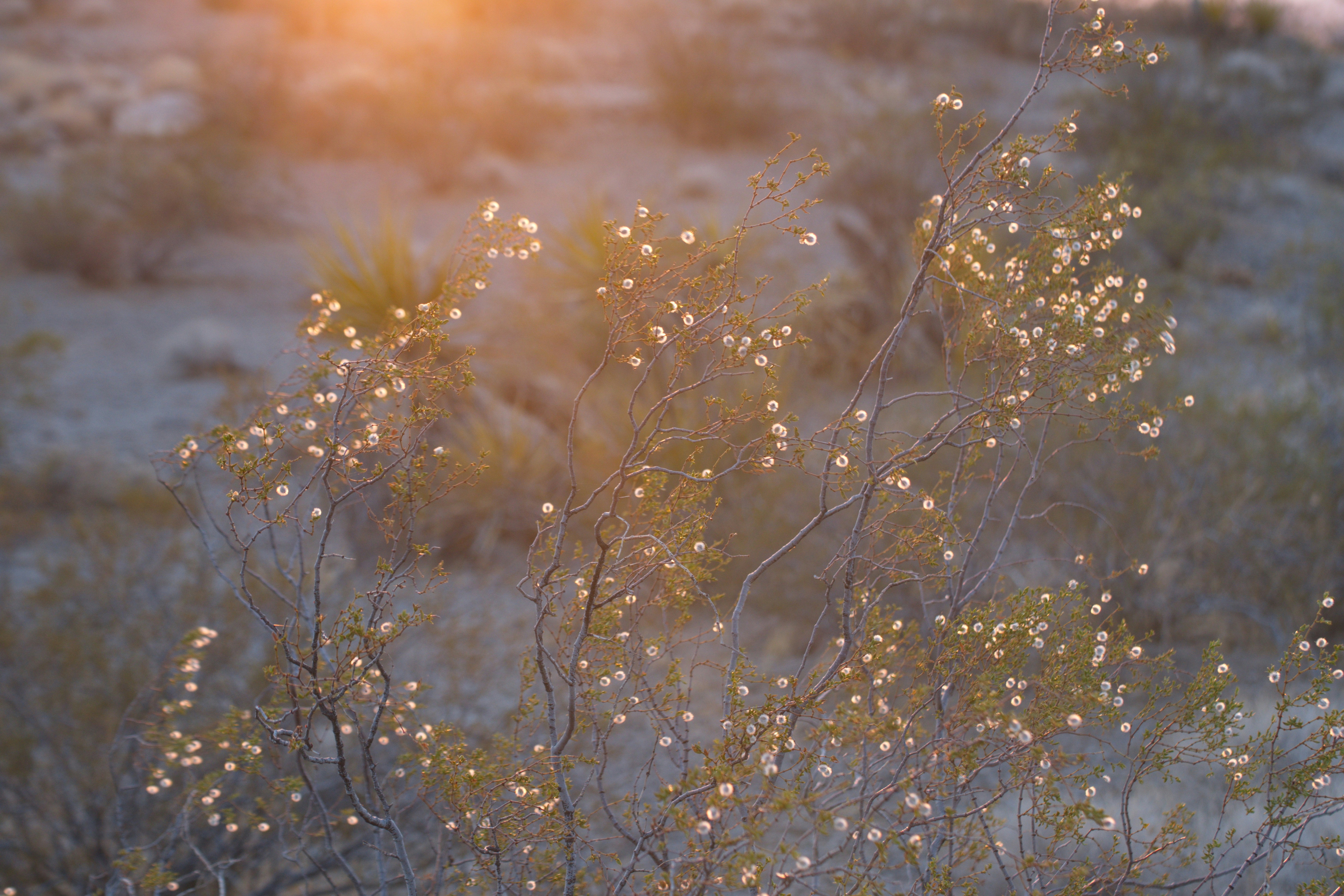
Dew-covered desert lupines at sunrise
Technical Details
Camera: Nikon Z9
Primary Lenses: 14-24mm f/2.8, 24-70mm f/2.8, 105mm f/2.8 Macro
Specialized Equipment: Focus stacking for macro work, polarizing filters for sky contrast
Desert Conditions: Dust protection, extreme temperature fluctuations
Timing: Critical attention to daily flower opening/closing cycles
Creative Process
The aesthetic approach balanced wide landscape views showing the scale of the bloom with intimate macro details revealing individual flower complexity. The challenge was capturing both the overwhelming abundance and the delicate beauty of single specimens.
Color became the project's dominant element, the unexpected vibrancy of desert flowers against subtle backgrounds of sand and stone. Color grading enhanced natural saturation while maintaining realistic relationships between different flower species and their environment.
Composition techniques included using leading lines created by wash patterns to guide viewers through flower fields, employing depth of field to isolate individual blooms against colorful backgrounds, and capturing aerial perspectives to show the true scale of the floral display.
The editing process emphasized the temporary nature of the bloom through slightly heightened contrast and saturation, suggesting the intensity of life compressed into brief optimal periods. Each image was processed to convey both the beauty and urgency of desert flowering.
Project Impact
The documentation supported National Park Service educational programs and was featured in National Geographic. The images contributed to scientific papers about desert ecology and climate change impacts on wildflower cycles. A traveling exhibition brought desert conservation awareness to urban