Traces of Memory
Abandoned homes holding stories of departure
European Heritage Project
Rural Greece
Architectural Documentary
Aug 4, 2021
Project Overview
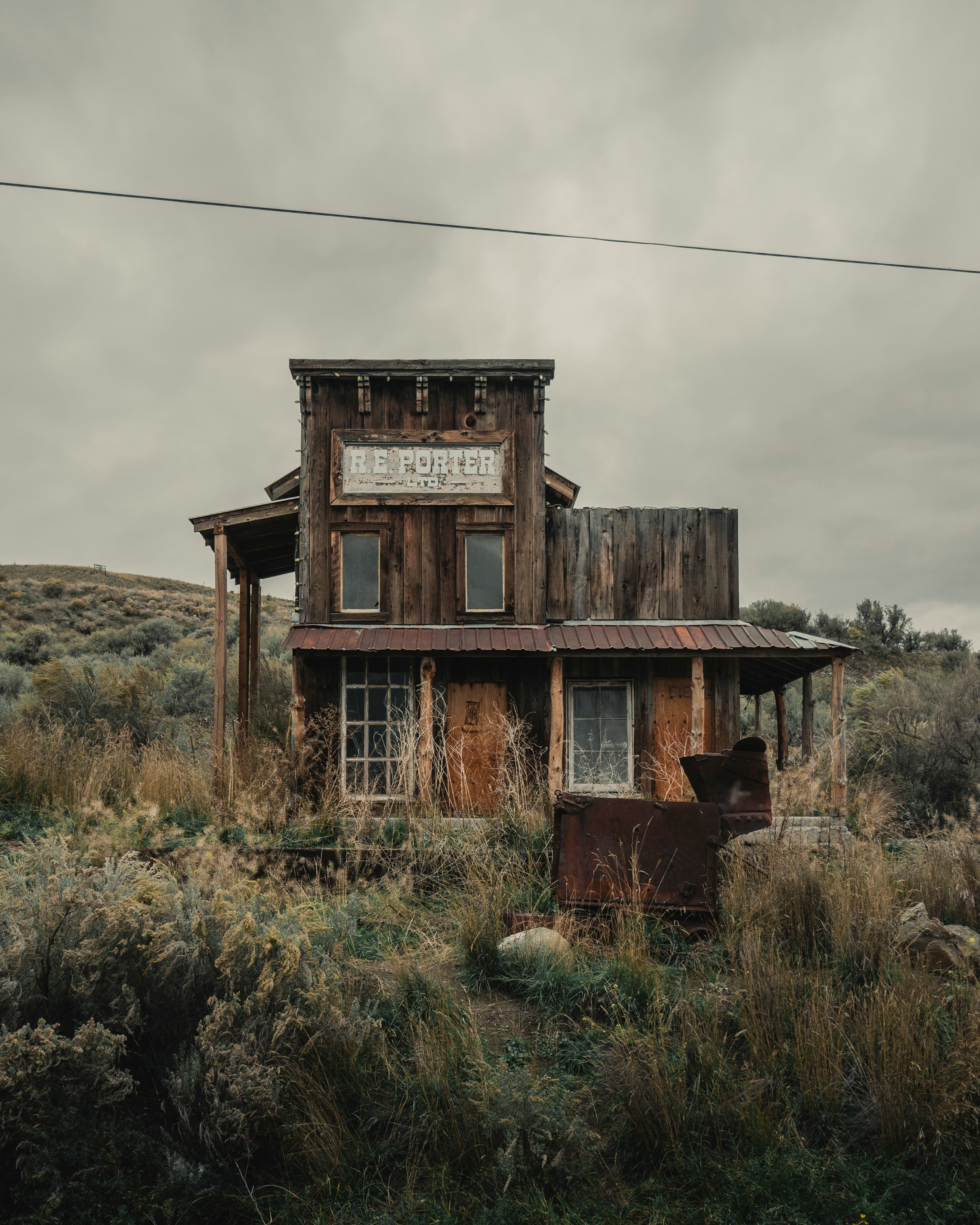
Throughout rural Greece, stone houses stand empty, their owners having departed for Athens, Germany, or America decades ago. These structures contain frozen moments, family photographs still on walls, dishes waiting in cupboards, gardens returning to wild growth. This project documents both the physical decay and the persistent presence of human memory embedded in domestic spaces.
The Story
The village of Milia, population 23, once housed over 400 residents. Walking its narrow streets felt like entering a open-air museum of interrupted lives. Keys still hung on hooks beside front doors. Wedding photographs from the 1960s remained in bedroom frames. Calendars stopped at various dates between 1980 and 2010, marking the exodus of individual families.
I began each day with Nikos, the village's oldest resident at 84, who served as both guide and historian. His own house sat between two empty properties, the Stavros family, who left for Stuttgart in 1983, and the Papageorgiou house, abandoned when the last son moved to Thessaloniki in 1995. Nikos maintained keys to dozens of properties, checking on them weekly, hoping owners might return.
The photography required careful ethical consideration. These weren't generic ruins but specific homes containing personal belongings. Each image needed to honor the dignity of departed residents while documenting the inevitable process of decay. I avoided photographing intimate personal items like letters or private photographs, focusing instead on architectural details and objects that spoke to shared human experiences.
One house contained a complete 1970s kitchen, plates still stacked in cabinets, a coffee pot on the stove as if its owner had just stepped outside. Sunlight filtered through shutters onto a table set for two, creating a scene of suspended domesticity that felt both melancholy and beautiful. These moments revealed how quickly human presence can fade while physical traces persist.
The most powerful discovery was a child's bedroom where toys remained arranged on shelves, a small bed made with care, educational posters still on walls. The family had emigrated to Canada in 1981, but the room waited in perfect condition, suggesting parents who believed return was possible, or perhaps couldn't bear to dismantle their child's space.
Gardens told their own stories of departure and persistence. Fruit trees planted by human hands continued producing olives and figs, though no one remained to harvest them. Grape vines wound through abandoned courtyards, their fruit fermenting on the ground. Nature's reclamation wasn't destruction but transformation, domestic spaces gradually returning to the landscape from which they had been carved.
Nikos shared stories about each family, transforming empty houses into repositories of memory. The blacksmith's workshop where three generations had worked iron. The bakery that fed the village until supermarkets in nearby towns made small-scale bread production economically impossible. The schoolhouse that closed when only two children remained in the village.
Key Images
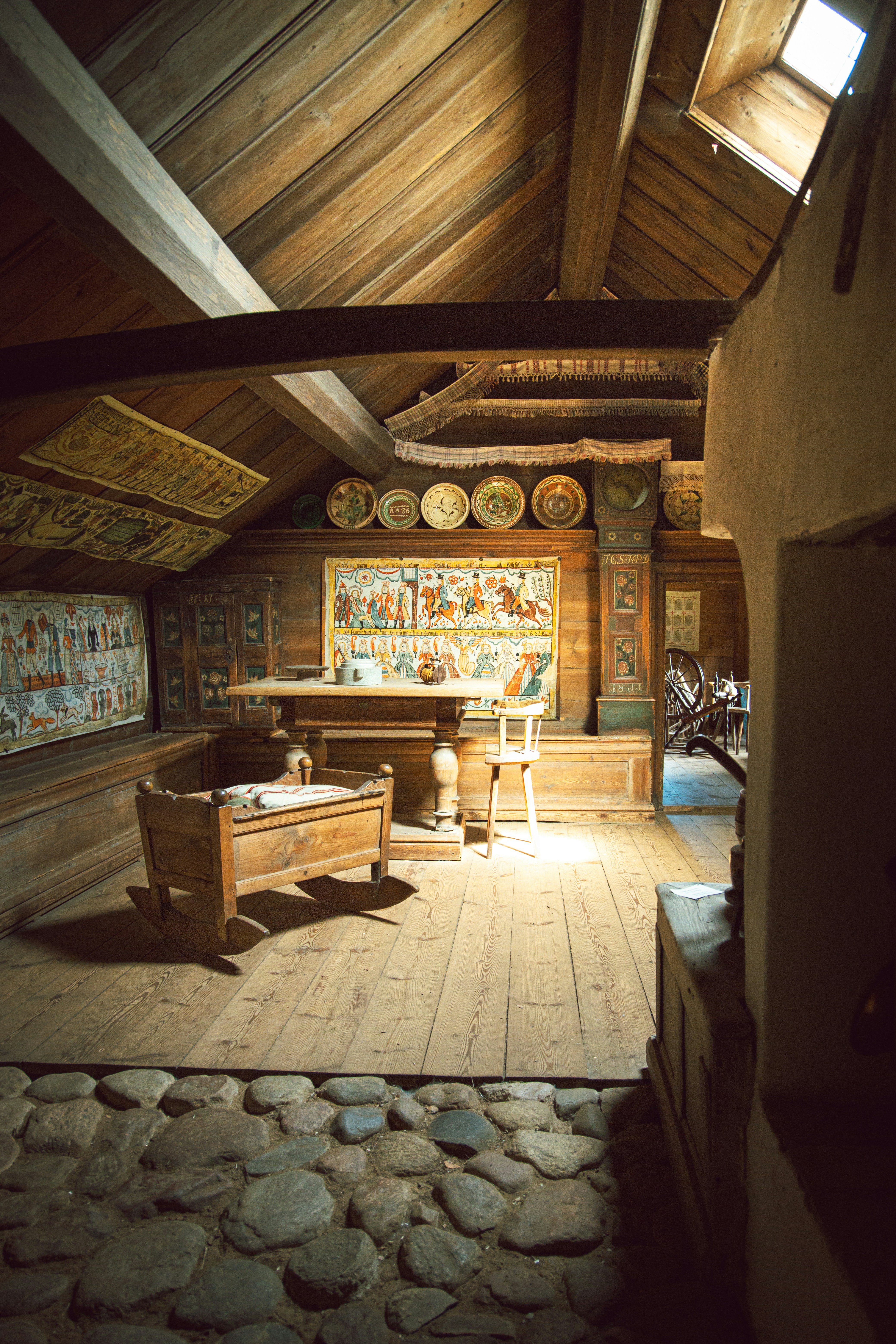
Perfectly preserved 1970s interior
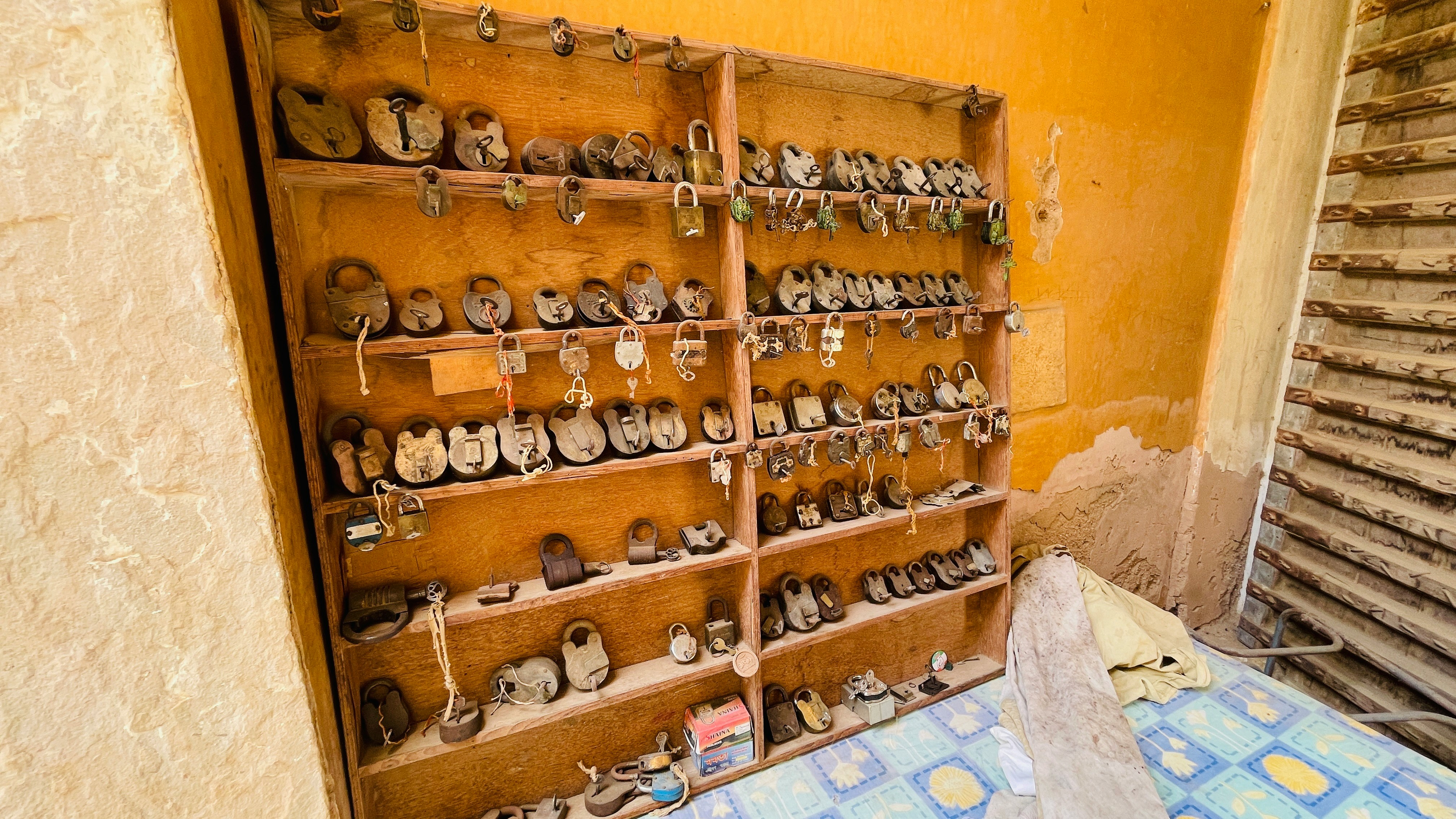
Toys arranged on shelves, bed still made
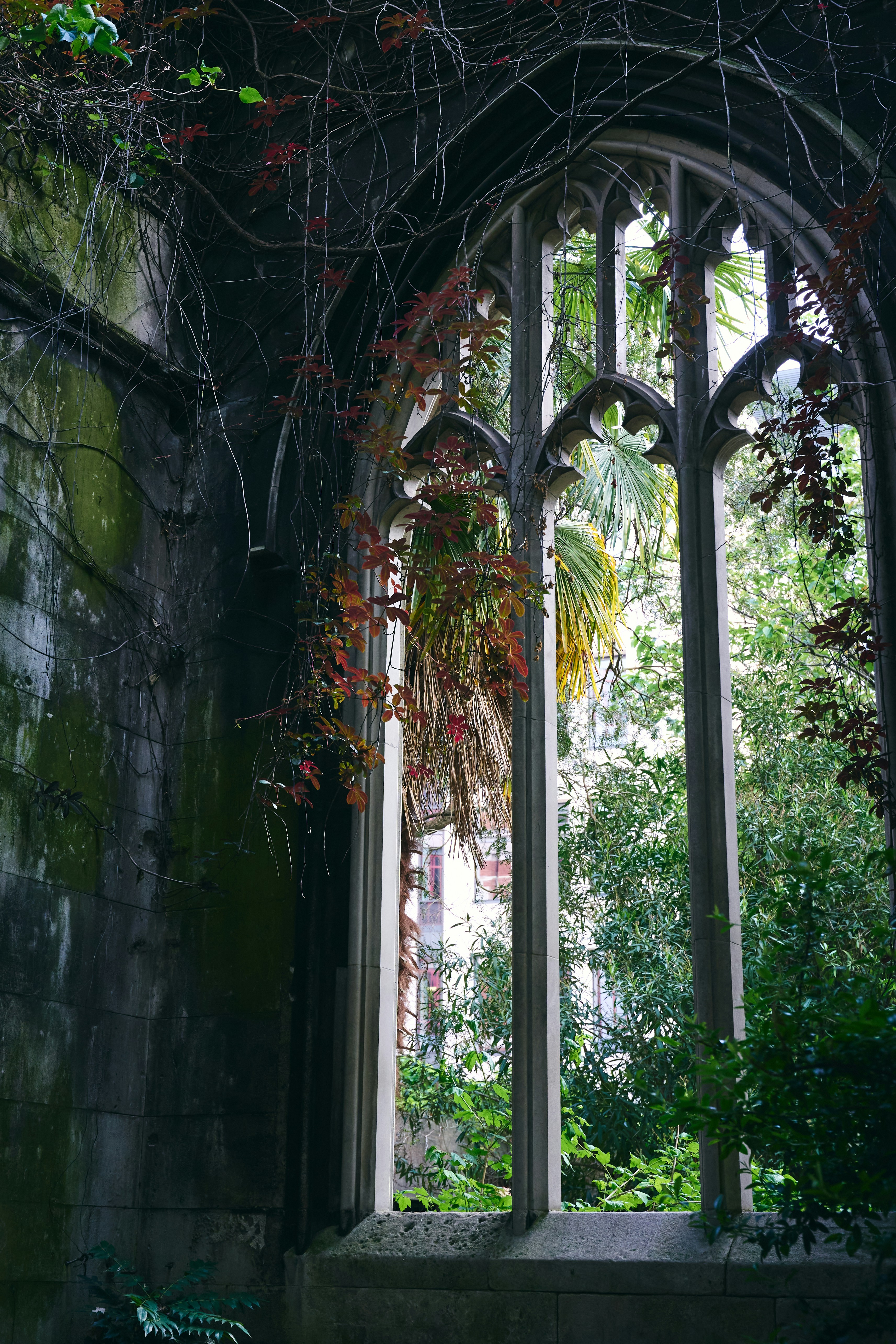
Fruit trees growing through abandoned courtyard
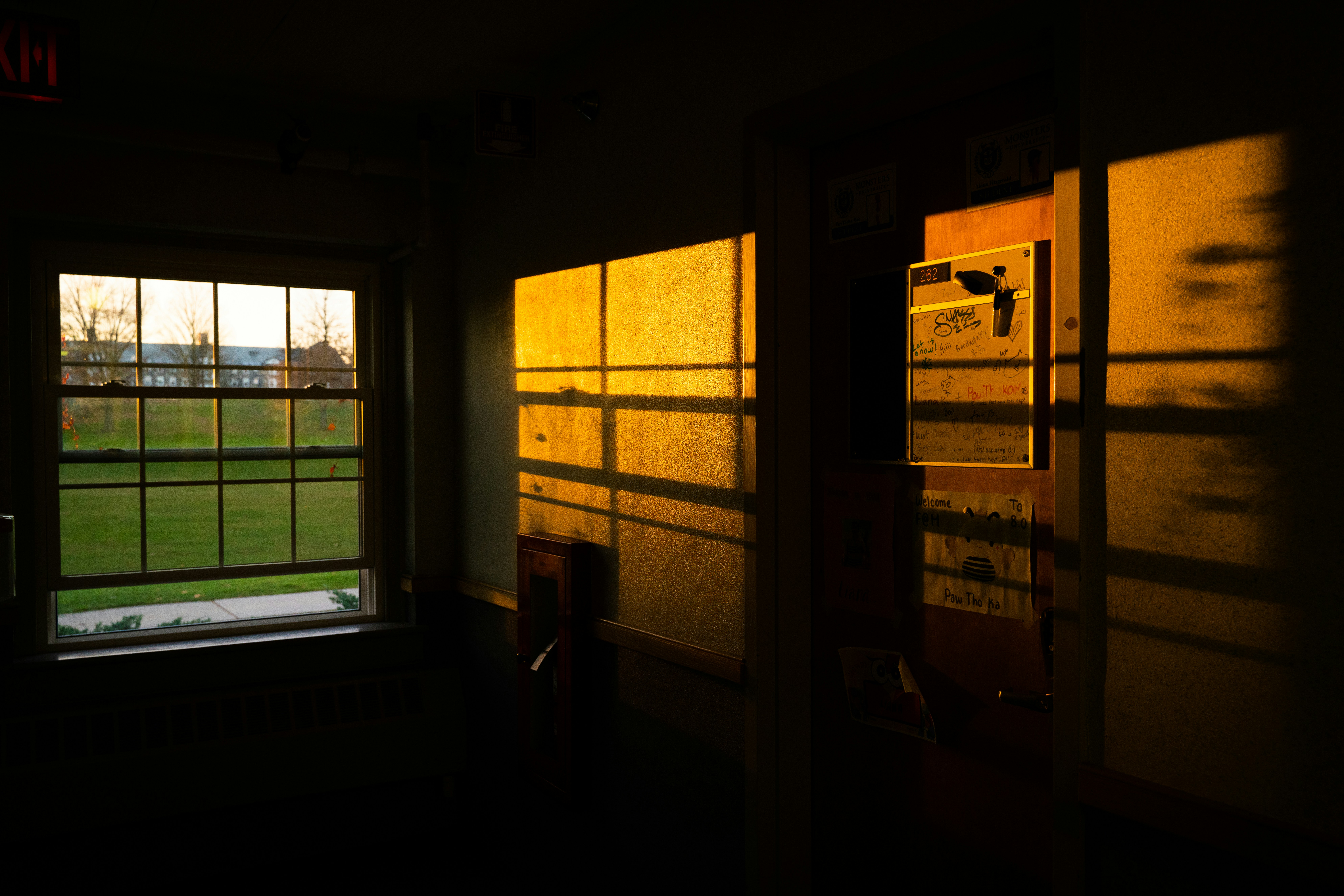
Evening sun through broken shutters
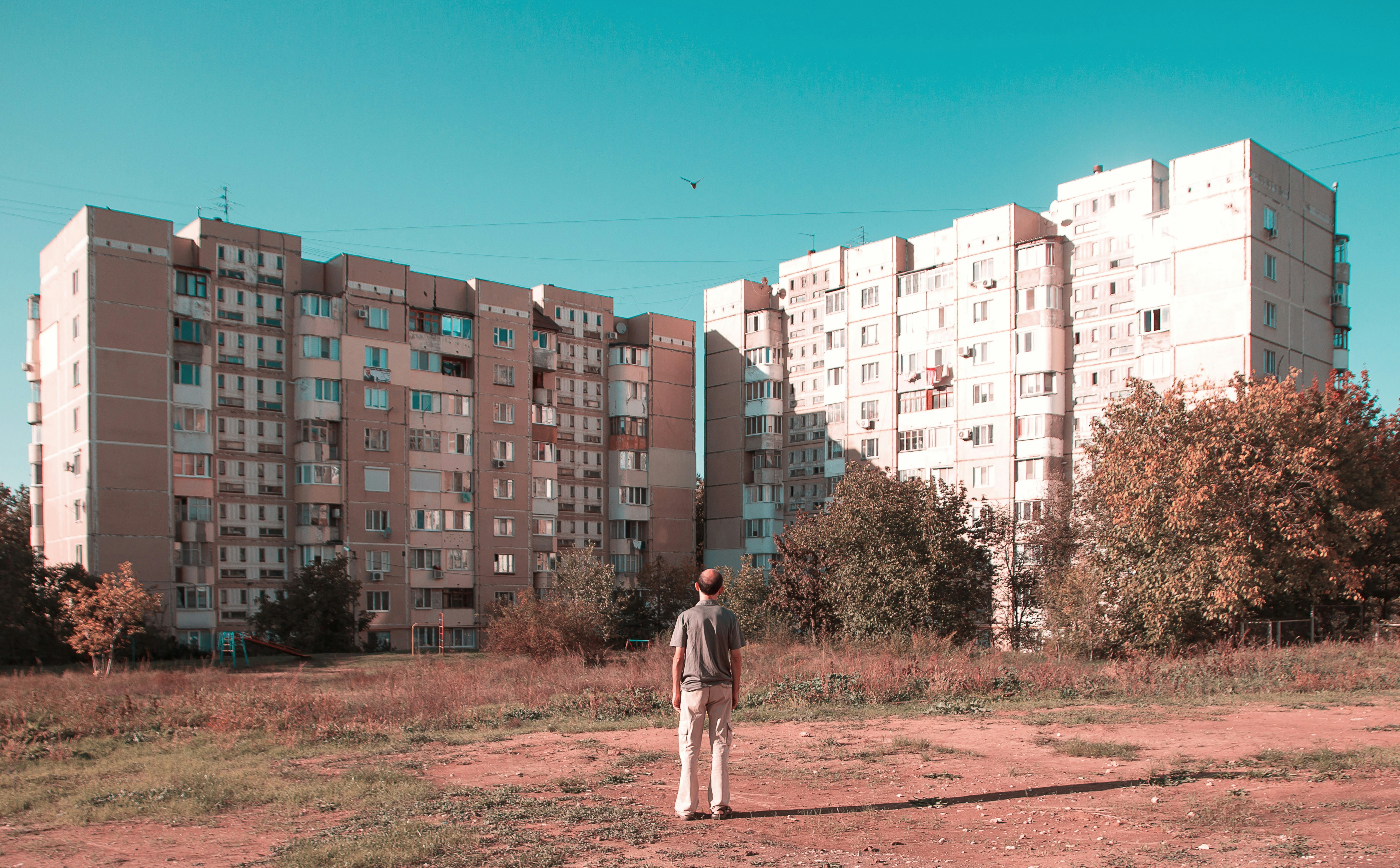
Nikos standing between two empty houses
Technical Details
Camera: Nikon D850
Primary Lenses: 14-24mm f/2.8, 50mm f/1.4, 85mm f/1.8
Interior Work: Available light to maintain authentic atmosphere
Tripod: Essential for detailed architectural documentation
Ethical Guidelines: No photographing private documents or intimate personal items
Creative Process
The aesthetic approach emphasized the poetry of decay rather than simple documentation of abandonment. Soft natural light filtering through weathered shutters created atmospheric interior scenes, while golden hour exterior shots showed buildings in harmony with their Mediterranean landscape.
Color palettes focused on the warm earth tones of traditional Greek architecture, stone walls, terracotta tiles, wooden shutters, contrasted with the green of invading vegetation. This color relationship suggested both human habitation and natural reclamation occurring simultaneously.
Composition techniques included using doorways and windows as frames to suggest viewing into the past, capturing details that revealed former inhabitants' personalities and daily routines, and showing the relationship between abandoned buildings and the landscape gradually reclaiming them.
Post-processing enhanced the natural patina of age while avoiding overly dramatic or nostalgic treatments. The goal was truthful documentation that honored both the physical reality of decay and the emotional weight of departure and memory.
Project Impact
The documentation was submitted to the Greek Ministry of Culture for heritage preservation consideration. Several families living abroad contacted the project after seeing the images, leading to property maintenance arrangements and planned renovation projects.