The Last Lighthouse Keeper
Preserving tradition in an automated world
Maritime Heritage Foundation
Maine Coast, USA
Documentary
Sep 12, 2023

Project Overview
In an age where GPS and satellite navigation have rendered lighthouses obsolete, Thomas McKinnon stands as the last keeper of Pemaquid Point Light. At 67, he maintains the beacon not out of necessity, but from a profound sense of duty to maritime tradition and the safety of vessels that still depend on visual navigation aids during electronic failures.
The Story
I first met Thomas on a fog-shrouded morning in early September. The lighthouse beam cut through the mist with mechanical precision, but there was nothing mechanical about the man who tended it. His weathered hands moved across brass fixtures with the reverence of a priest handling sacred relics, each motion refined by four decades of practice.
"People think it's lonely work," Thomas told me as we climbed the spiral staircase for the morning inspection. "But you're never alone with the sea talking to you day and night." His relationship with the lighthouse was deeply personal, he spoke of the structure as if it were alive, capable of moods and temperament that only he could interpret.
The project unfolded over thirty days, each beginning before dawn with Thomas's ritual inspection. I documented not just his work, but the profound connection between a man and his purpose. The lighthouse wasn't just his job; it was his identity, his home, and his legacy. As automation threatens to eliminate his position, Thomas represents the end of an era, the last link in a chain of keepers stretching back two centuries.
The most powerful moment came during a violent autumn storm. While modern ships relied on digital navigation, three fishing boats sought the lighthouse's beam when their electronics failed in the harsh weather. That night, Thomas's knowledge and the lighthouse's presence guided them safely to harbor. In our hyper-connected world, sometimes the oldest technologies prove most reliable.
Through daily conversations and shared meals in the keeper's quarters, I learned that Thomas's dedication stemmed from personal tragedy. His grandfather, a fisherman, was lost in a storm near this very coast in 1962. Thomas believed that a properly maintained lighthouse might have made the difference. His work became a form of memorial, ensuring that no other family would experience such loss if he could prevent it.
Key Images

Thomas silhouetted against sunrise
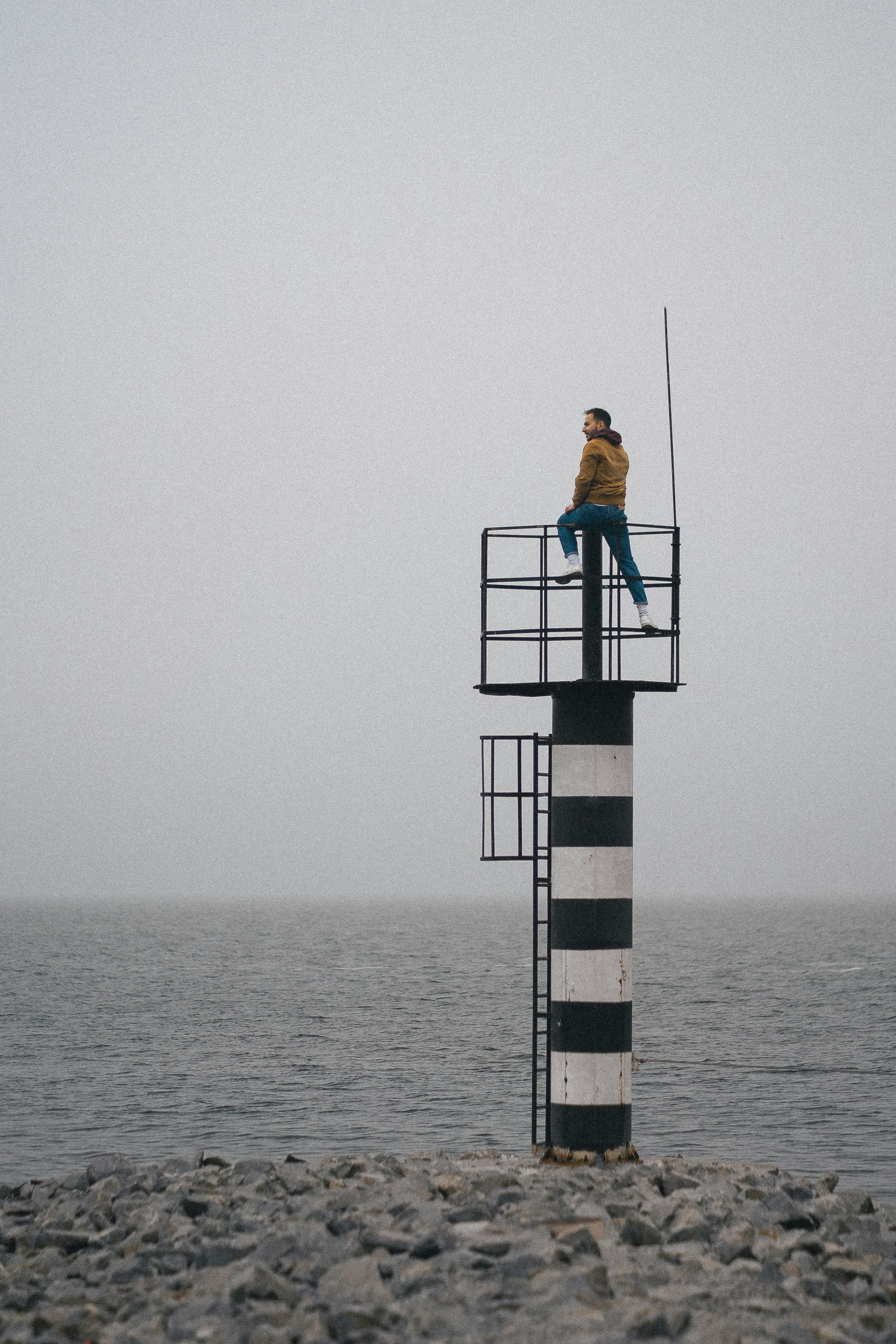
Monitoring ships during heavy weather
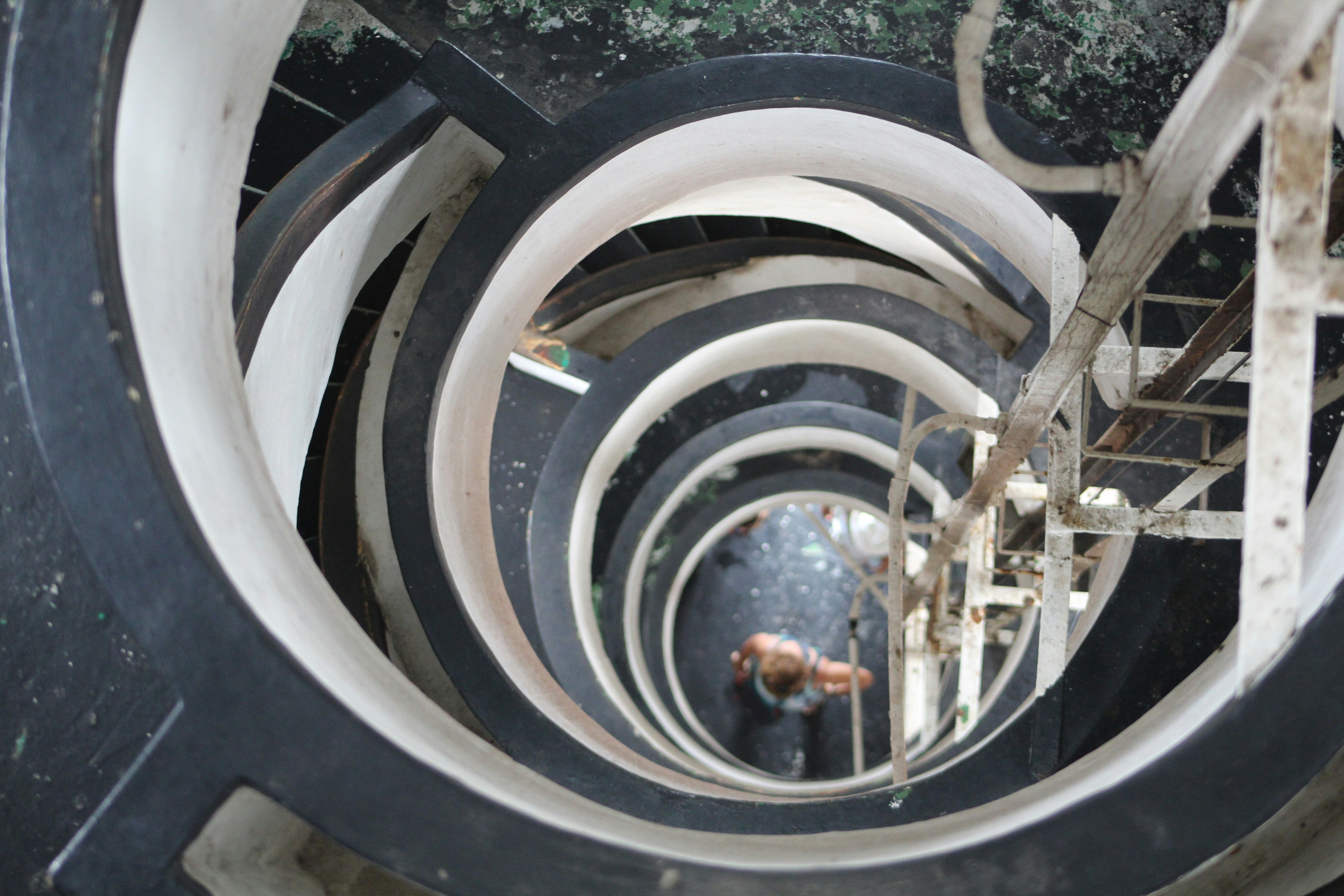
Interior view of the Fresnel lens system
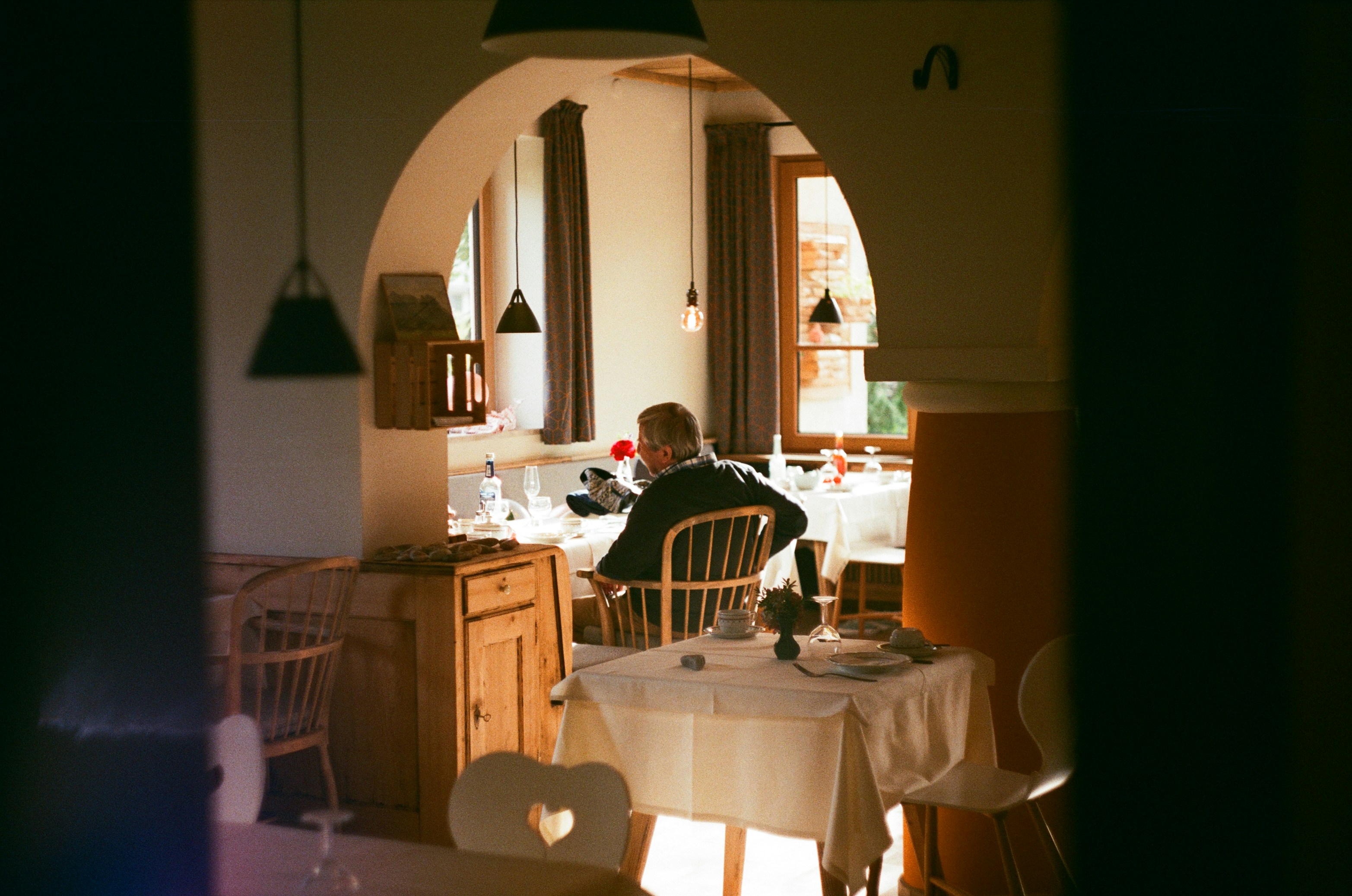
Thomas in his kitchen, lighthouse beam visible through window
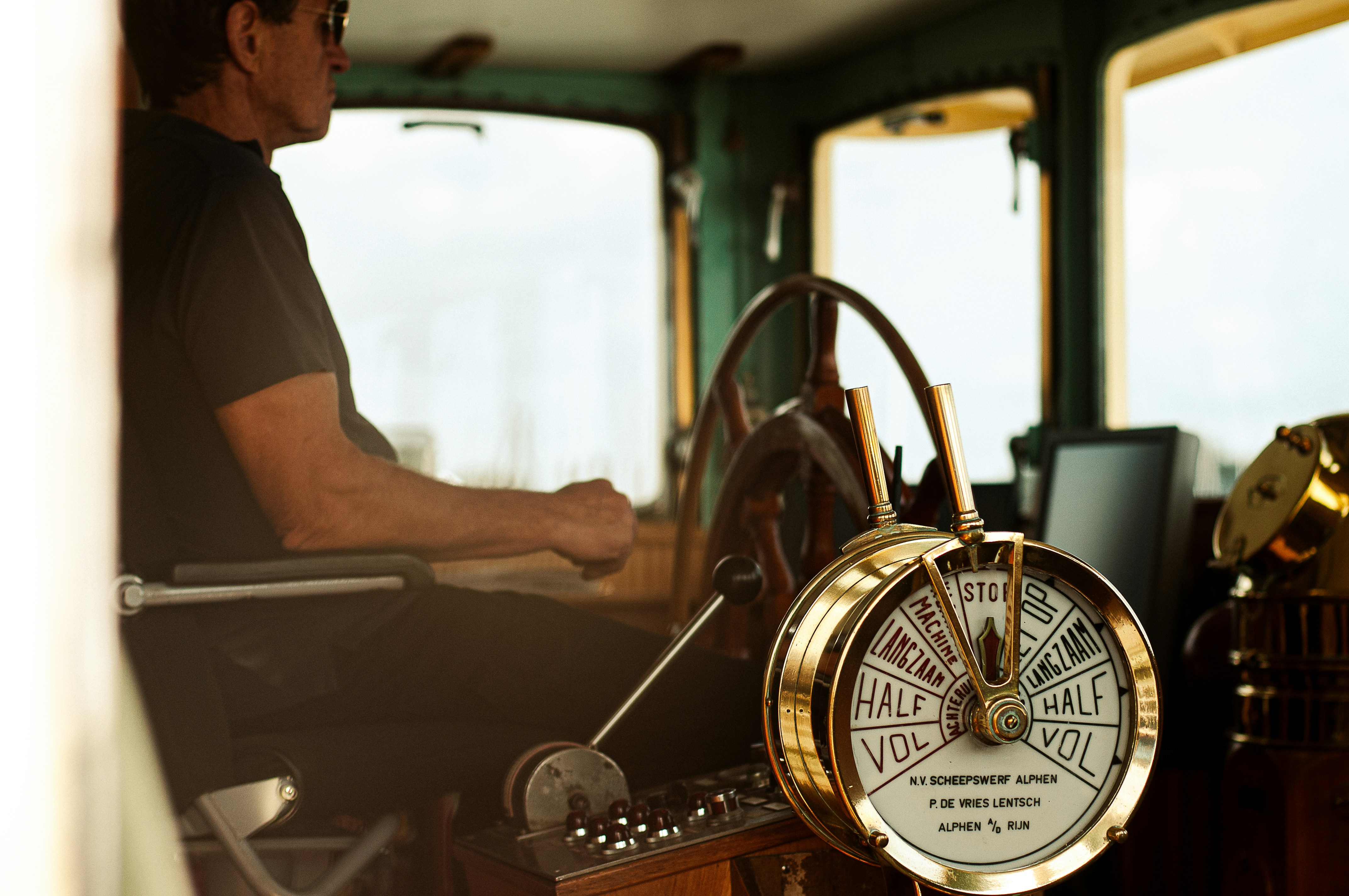
Antique navigation instruments still in use
Technical Details
Camera: Canon EOS R5
Primary Lenses: 24-70mm f/2.8, 70-200mm f/2.8
Secondary Equipment: Drone for aerial perspectives
Lighting: Natural light, some fill flash for interior work
Weather Protection: Extensive waterproofing for storm documentation
Creative Process
The approach balanced documentary authenticity with artistic interpretation. I wanted viewers to feel the weight of tradition and the inevitability of change. Early morning light through lighthouse windows created dramatic silhouettes, while storm photography captured the raw power that makes lighthouses necessary.
Color grading emphasized the warm amber of the lighthouse beam against cool blue Atlantic waters. This contrast became a visual metaphor for human warmth persisting in an indifferent natural world. Each image was composed to show Thomas within the context of his massive responsibility, often dwarfed by the lighthouse structure yet clearly its master.
The documentary style required building deep trust with Thomas. Only after two weeks did he allow me to photograph him during personal moments, reading letters from his late wife, maintaining her garden behind the keeper's house, or sitting quietly with his evening tea as the automated beacon began its nightly rotation.
Project Impact
The series helped secure funding for the Maritime Heritage Foundation's lighthouse preservation program. Thomas's story was featured in National Geographic, leading to increased tourism and awareness of lighthouse history. The project also influenced policy discussions about maintaining manual operations at critical navigation points.