Neon Prayers
Faith illuminated in Seoul's electric nights
Personal Project
Seoul, South Korea
Contemporary Documentary
Nov 14, 2023
Project Overview
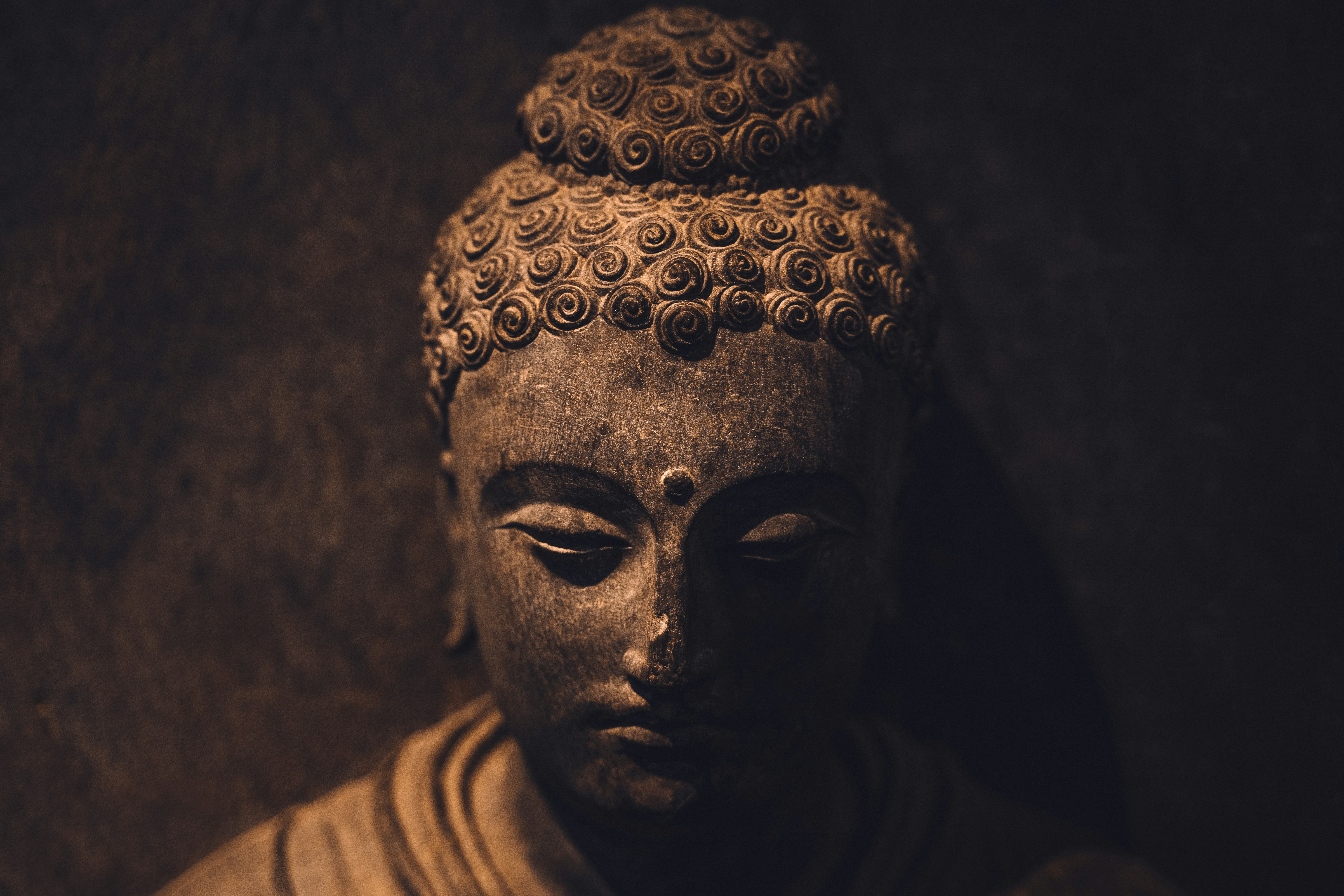
Seoul's Buddhist temples exist in fascinating juxtaposition with the city's neon-soaked commercial districts. This project documents how traditional spiritual practices adapt to and coexist with Korea's hyperconnected urban environment, revealing faith as both ancient constant and contemporary necessity.
The Story
The project began with a simple observation: from my hotel window in Gangnam, I could see both the Samsung headquarters and the curved roofline of Bongeunsa Temple. This visual metaphor, tradition and technology sharing the same skyline, became the conceptual foundation for exploring how Seoul's residents navigate between spiritual seeking and material ambition.
I started at Jogyesa Temple in the heart of downtown, where morning prayers occurred against a backdrop of traffic sounds and construction noise. The 4 AM ceremony drew office workers stopping before their commute, elderly residents maintaining decades-long routines, and young people seeking guidance in a rapidly changing society. The temple's wooden architecture and flickering lanterns created an oasis of warm light in the city's harsh fluorescent landscape.
The most compelling discovery was how Seoul's 24-hour culture accommodated different spiritual rhythms. Late-night temples remained open for shift workers ending at midnight, while early morning sessions served those beginning at dawn. Buddhist practice had adapted to urban schedules without compromising its essential nature.
At Bongeunsa Temple, I met 28-year-old Kim Min-jun, a software developer who maintained a meditation practice despite working 12-hour days. His smartphone contained both coding projects and Buddhist scripture apps. During lunch breaks, he would sit in the temple courtyard, surrounded by skyscrapers, finding moments of stillness in his hyperconnected life.
The visual contrast became the project's strength—ancient Buddha statues photographed against LED billboards, monks crossing streets lit by convenience store signs, prayer flags fluttering near subway entrances. These weren't contradictions but complementary aspects of Seoul's spiritual ecosystem.
Night photography revealed the city's most interesting spiritual moments. The electric glow of 24-hour Buddhist centers attracted seekers at all hours. Young professionals arrived after late dinners, families came for weekend evening services, and elderly practitioners maintained nighttime prayer vigils that had begun decades earlier.
One powerful evening at Inwangsa Temple, overlooking the city, I photographed a monk silhouetted against Seoul's sprawling lights. The image captured the project's central theme, individual spiritual seeking persisting within collective urban energy. The monk wasn't separated from the city; he was engaged in dialogue with it.
Key Images
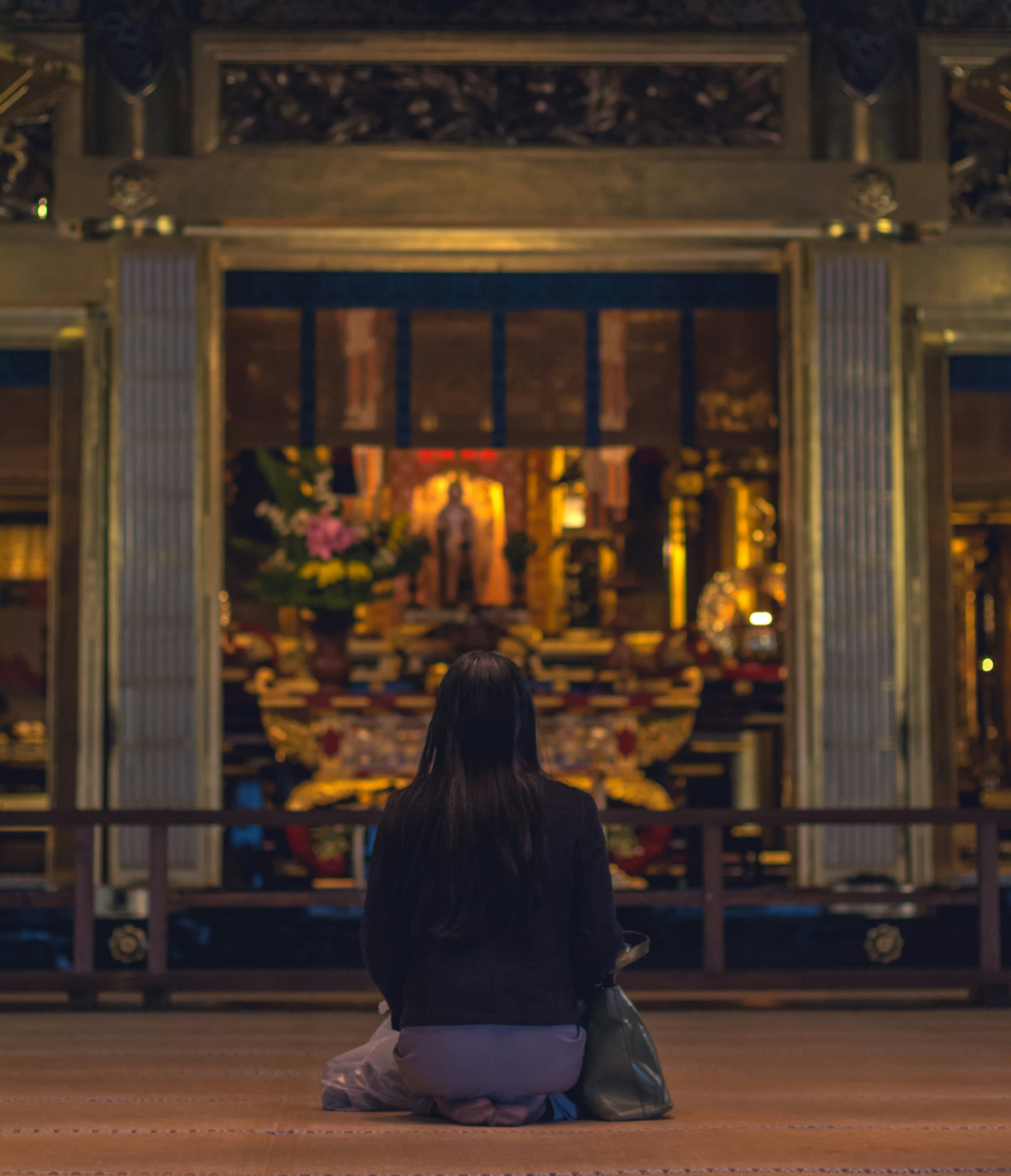
Young woman using meditation app in temple
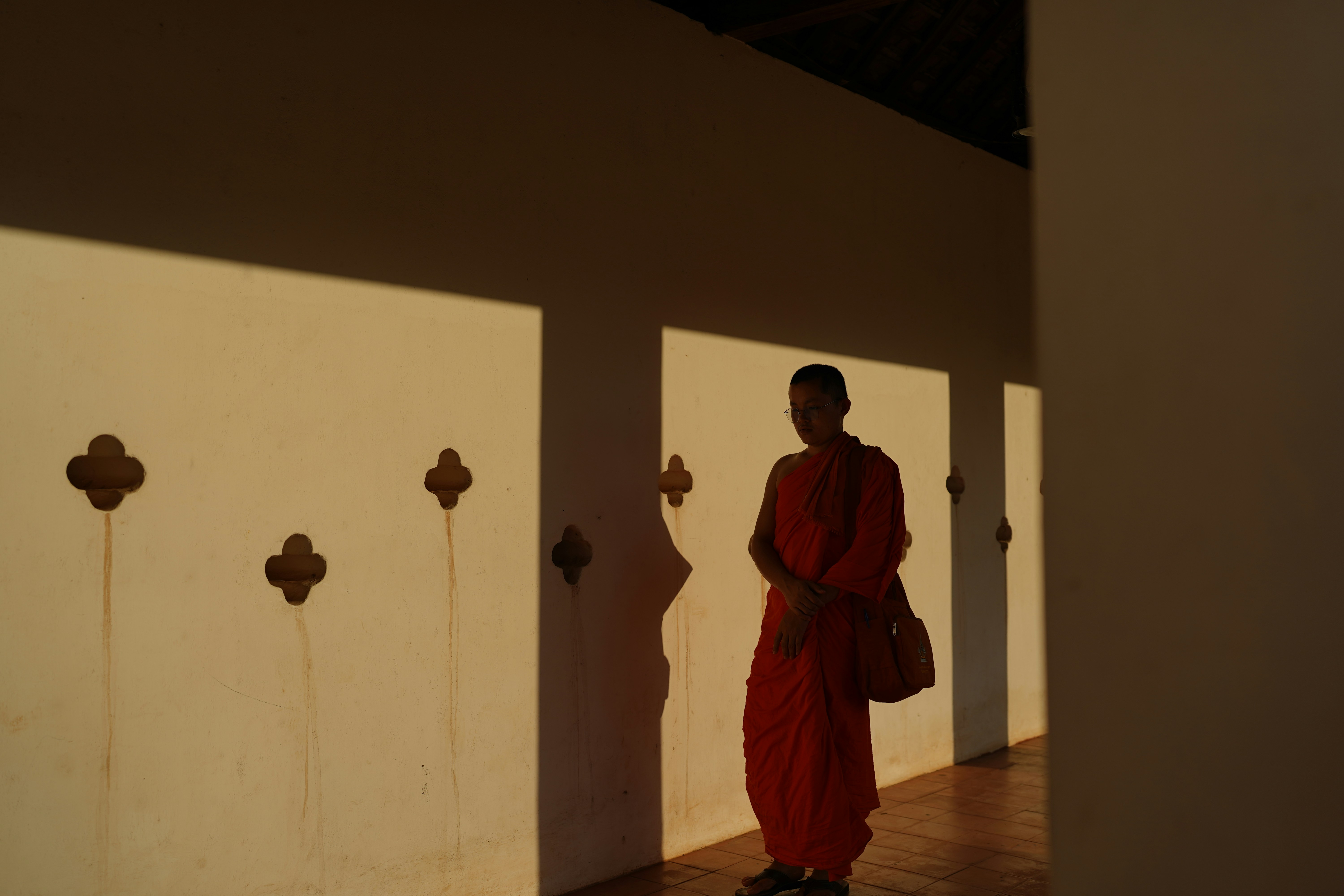
Buddhist teacher crossing neon-lit intersection
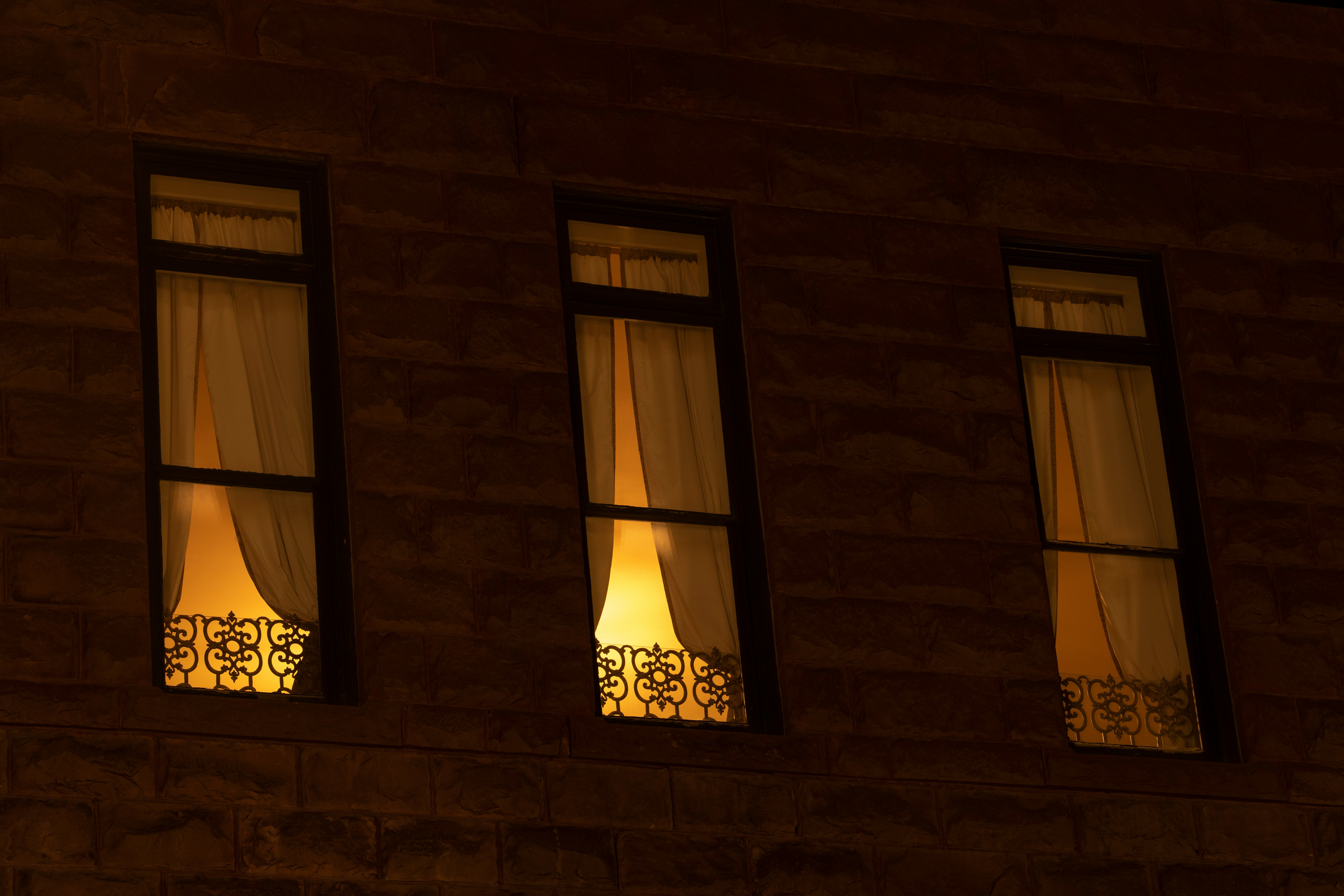
Late-evening ceremony with city lights visible through windows
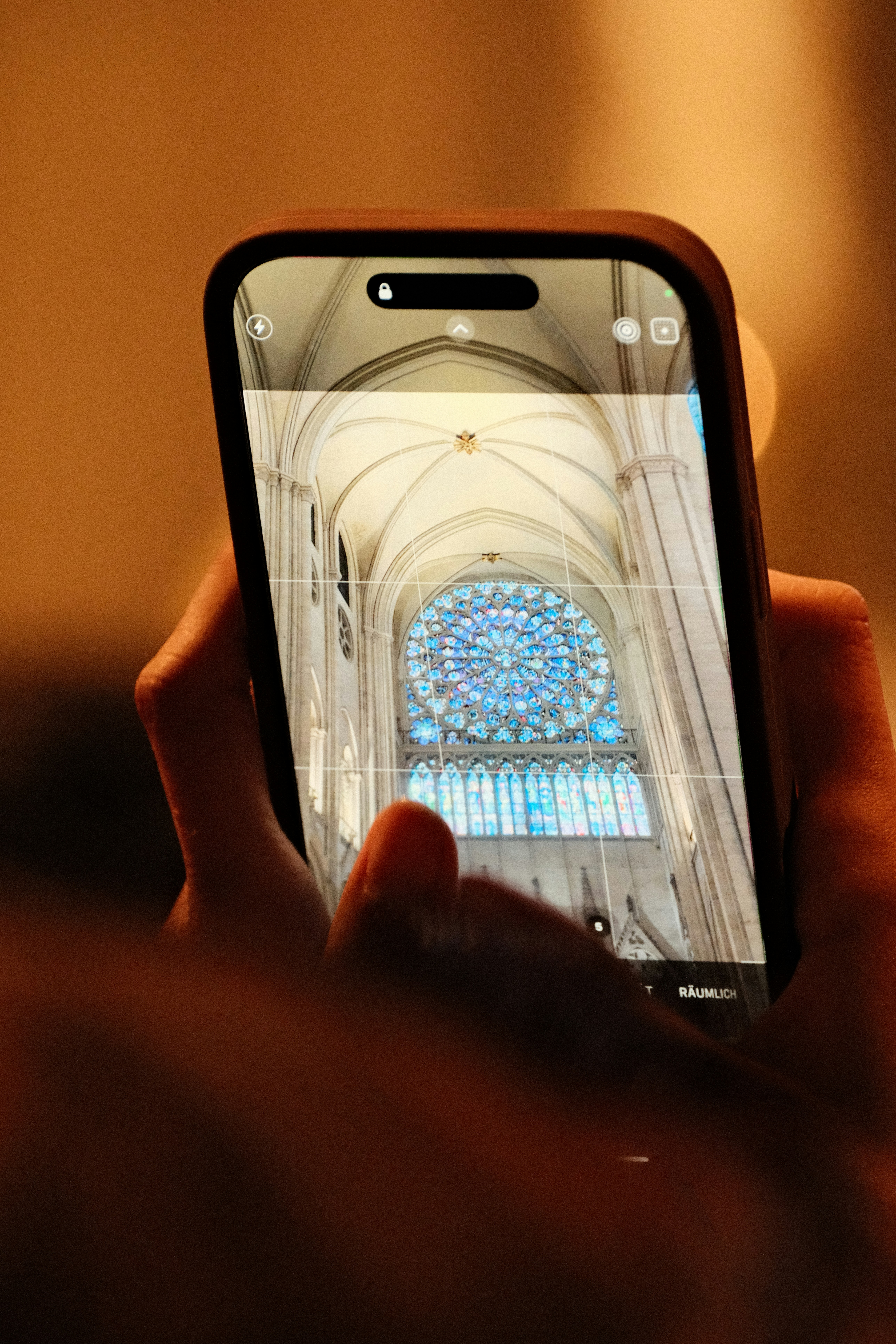
Temple interior reflected in smartphone screen
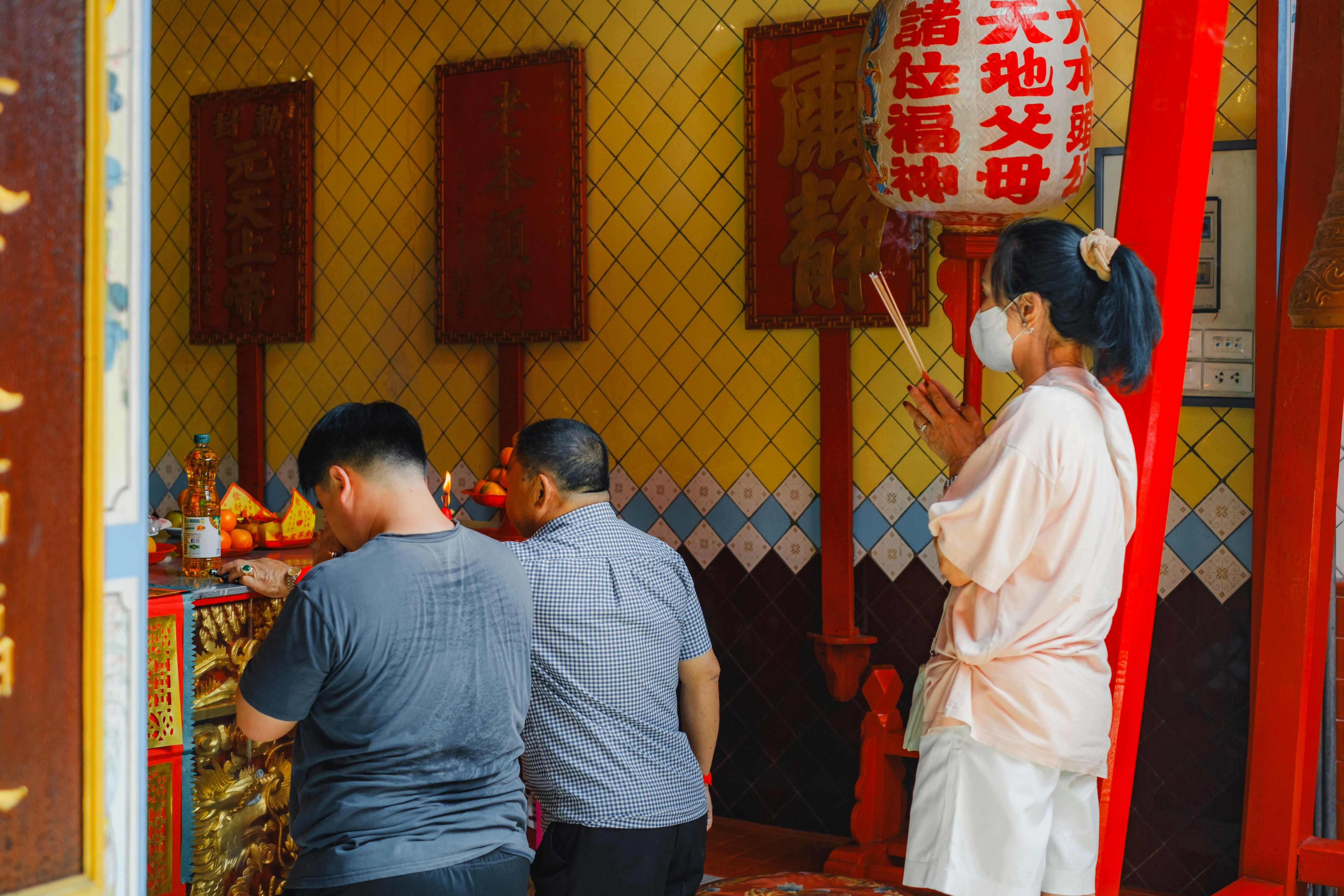
Office workers stopping for quick temple visits
Technical Details
Camera: Sony α7R V
Primary Lenses: 24-70mm f/2.8, 85mm f/1.4
Night Photography: High ISO capability, fast lenses for available light
Urban Challenges: Mixing artificial light sources, varying color temperatures
Cultural Sensitivity: Discrete photography during ceremonies, permission for portraits
Creative Process
The aesthetic balanced documentary authenticity with the visual drama of Seoul's electric landscape. Neon lights and LED displays created colorful backgrounds for traditional subjects, while temple interiors provided warm, intimate counterpoints to the city's cool artificial lighting.
Color grading emphasized the tension between warm temple lighting and cool urban illumination. This palette became a visual metaphor for the warmth of human spiritual seeking within the sometimes cold efficiency of modern city life.
Composition techniques included using reflections in temple windows to show both sacred interiors and urban exteriors simultaneously, photographing through architectural frames to create layers of meaning, and capturing motion blur to suggest the constant movement surrounding moments of stillness.
The editing process preserved the authentic color relationships between different light sources while enhancing the contrast between traditional and contemporary elements. Each image was crafted to show integration rather than conflict, Buddhism thriving within, not despite, urban modernity.
Project Impact
The series was featured in Korean photography magazines and exhibited at Seoul Arts Center. It contributed to discussions about urban spirituality and the role of traditional practices in contemporary life. Several images were acquired by the Seoul Museum of Art for their contemporary documentary collection.